


Every few years, someone in the room says it. “Our website looks outdated. We need a redesign.”
And honestly, they’re usually not wrong. Websites do get old. Web Design trends shift, businesses grow in new directions, and a site that looked great three years ago can start to feel like it belongs to a different company. So the thought of redesign isn’t bad but the way most businesses go to redesign their website is.
A redesign is one of the bigger investments a company makes in its online presence. Properly redesigned websites can bring in more leads, build trust with new visitors, and make the whole business look sharper. If it’s done wrong, it can wipe out years of search engine progress, confuse existing customers, and cost far more than it should.
Before you jump in, here are a few things worth thinking about first.
Know Why You Actually Want to Redesign
This sounds like an obvious starting point, but most businesses skip it.
“It looks old” is a feeling, not a reason. Before any design work starts, get specific about what’s actually not working. Are visitors landing on your site and leaving straight away? Is the site hard to use on a phone? Are you losing enquiries because the contact process is too complicated? Is the content completely out of date?
The answer to those questions shapes everything that needs to change, what should stay, and how much work is actually involved. A full redesign when all you needed was updated content and a faster loading speed is an expensive way to solve a small problem.
Start with the real problem. Then work backwards to the solution.
Don’t Throw Away What’s Already Working
This is where a lot of businesses make costly mistakes.
When a redesign kicks off, there’s a temptation to start completely fresh. New structure, new pages, new URLs, new everything. It feels clean and exciting. But if your current site has pages that rank well on Google, pulling those apart without a careful plan can seriously damage your search rankings sometimes for months.
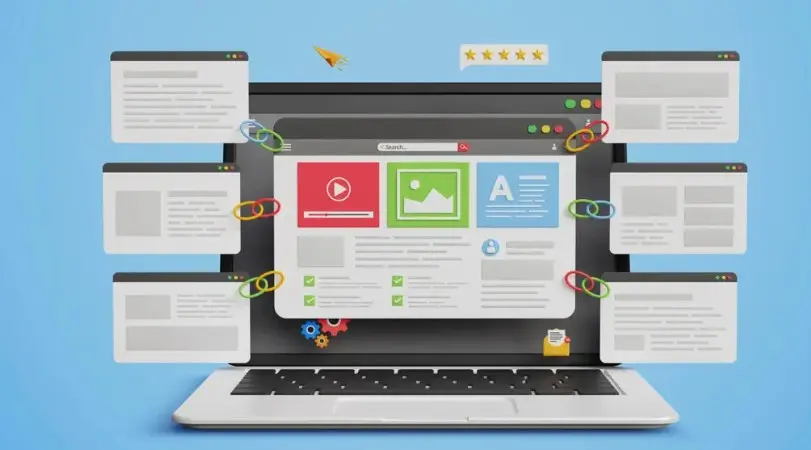
Before anything gets moved or deleted, analyze what you have. Which pages get the most traffic? Which ones bring in leads? Which search terms is the site currently ranking for? That information tells you what needs to be protected during the redesign, not discarded.
A good redesign improves the site without throwing away the foundation that took years to build.
Your Visitors Matter More Than Your Preferences
It’s your website, so it should reflect your brand absolutely. But the people using it are your customers, not you.
A lot of redesign decisions get made based on what the business owner or internal team likes the look of. That’s understandable, but it’s not always the right guide. What matters more is whether visitors can find what they’re looking for quickly, whether the site works properly on the device they’re using, and whether it gives them enough confidence to get in touch or make a purchase.
Before the redesign, look at your current site’s data. Where do people drop off? Which pages do they spend time on? What do they click? That data tells a story about how real visitors behave and that story should drive the design decisions more than personal preference does.
Mobile Isn’t Optional Anymore
If your new site doesn’t work well on a phone, it doesn’t work. It’s that simple.
More than half of web traffic comes from mobile devices, and that number keeps growing. Google also uses the mobile version of your site as the basis for how it ranks you in search results. A site that looks beautiful on a desktop but is clunky and hard to navigate on a phone is going to hurt you with visitors and with search engines.
This isn’t a technical detail to sort out at the end of the project. It needs to be part of the thinking from the very beginning.
Speed Is Part of the Design
A slow website loses visitors fast. Research consistently shows that people don’t wait more than a few seconds for a page to load before they move on.
Heavy images, poorly written code, too many plugins, and cheap hosting all slow a site down. A redesign is the perfect opportunity to clean all of this up but only if speed is treated as a priority, not a second option.
When reviewing design options, ask directly: how will this affect page speed? Any agency or developer has a clear answer, work with them.
Pick the Right Team for the Job
A website redesign involves design, development, content, and search engine optimization all working together. If any one of those pieces is missing or weak, the final result suffers.
Be careful with very cheap options. A site built without SEO knowledge can look great and still be invisible on Google. A site built without proper development can break on certain browsers or load slowly. Ask to see past work, ask how they handle SEO during a redesign, and ask what happens after launch if something goes wrong.
One Last Thing Before You Start
At Soharon Infotech, we’ve seen businesses invest heavily in redesigns that hurt more than they helped simply because the planning wasn’t there at the start.
A good redesign isn’t just about how the site looks. It’s about how it performs, how it ranks, and whether it actually helps the business grow.
If you’re thinking about redesigning your website and want to talk through the right way to approach it, we’re happy to have that conversation before any decisions are made.






 SHARE YOUR REQUIREMENTS WITH US!


